

A beginner camper who used all these beginner tips to help feel prepared, safe, and comfortable during their first time camping
Never been camping before? You’re in the right place. This guide answers the most common questions first-time campers ask — from what to pack and how to sleep comfortably, to what to eat, how to stay safe, and what beginners always forget. Whether you searched “what do I need for camping?” or “how do I start camping?”, consider this your go-to resource. Let’s get you set up for an amazing first trip.

Friends camping together at campground with drinking water, hot showers, and bathrooms.
Where should a beginner go camping for the first time?
For your very first camping trip, the best advice is: start close to home and pick a campground with amenities. That means running water, bathrooms (flush or vault), and showers. This takes the stress off basic necessities while you focus on learning the ropes. Look for a site within 1-2 hours from home — beginner campers find comfort knowing they can easily head home if they want.

Larger sized tent that can sleep up 6 people and has standing room. Woman is staking down the tent to secure it in case of wind.
How do I choose the right tent for camping?
Choosing the right tent is crucial for a comfortable camping experience. It’s not just about fitting everyone inside — it’s also about ensuring you have enough space for your gear, comfort, and even a little extra room to move around.
Here are the key factors to consider when selecting your tent:
Number of Occupants: Base your choice on the number of people sleeping in the tent. For added comfort, consider upsizing to get a tent that fits 1-2 people more than you’re planning to have sleep inside.
Storage Space: Think about how much extra room you’ll need for backpacks, clothes, and other equipment. A larger tent provides this additional space without cramping your style.
Standing Room: Decide if being able to stand up inside the tent matters to you — helpful for changing clothes or stretching in the morning.
Extra Room for Pets or Play: If you’re camping with a dog, child, or simply want more space for activities inside the tent, opting for a larger capacity will be helpful.
Weight: If you’re car camping with your vehicle next to your campsite, weight is not as important. If you plan to use the same tent for both car camping and backpacking, look for a lighter backpacking tent.
Shape of Tent: The most common tent shapes for beginners are dome, cabin, and tunnel. Dome tents are the most popular choice — they’re easy to set up and handle wind well. A cabin style tent is popular for having more room to stand up inside.
Whichever tent you choose, try setting it up first in your living room or backyard. This will give you more confidence when you’re ready to set up at the campground.

Woman staying warm and cozy in sleeping bag and inside tent
What sleeping bag temperature tating do I need for camping?
Choosing the right sleeping gear is key to ensure you stay warm and comfortable throughout the night, regardless of the temperature outside. Here are some key considerations to keep in mind when choosing your sleeping bag.
Temperature Ratings: Sleeping bags come with temperature ratings, usually ranging from 15°F to 50°F. They’re crucial for staying warm, as nights can get colder than expected while camping.
Choose Colder Ratings: Opt for a sleeping bag rated for temperatures colder than what you anticipate for your camping trip. You can always unzip the bag to cool off if it gets too warm.
Consider Weight for Dual Use: If you plan to use your sleeping bag for both car camping and backpacking, consider something lighter weight.

Man getting a good night’s sleep in sleeping bag with a sleeping pad.
Do I really need a sleeping pad for camping?
Finding the right sleeping pad can make sleeping in a tent nearly as comfortable as sleeping in your bed at home. Sleeping pads or a cot offer dual benefits: they cushion you for a comfortable night’s rest and insulate you from the cold ground for greater warmth. Here are the common types of sleeping pads / cots:
Air Mattress / Air Pad: These typically come with either an electric or hand pump. They’re great for car camping because you don’t have to worry about how heavy or big they are, and can be as comfortable as a bed at home.
Self-inflating sleeping pads: These pads are self-inflating, which is helpful for not being reliant on an external device to inflate it or needing to blow it up with your mouth.
Closed-cell foam sleeping pads: Crafted from dense foam with tiny air-filled cells, these pads are lightweight, cost-effective, and nearly indestructible. While not as comfortable as the other options, their simplicity and reliability make them a favorite among backpackers and those on a budget.
Sleeping Cot: A cot is a portable, foldable bed with a lightweight frame and fabric stretched across it that elevates you off the ground.

Campsite booked for a friend camping trip
How do I find and book a campsite?
Finding and booking a campsite is easier than ever with the right tools. Here are the best ways to find and reserve your spot:
Recreation.gov: The go-to booking platform for national parks, national forests, and federal campgrounds across the U.S. Search by location, filter by amenities (hookups, restrooms, pet-friendly), and book your dates directly. Campsites at popular parks like Yosemite and Glacier book up months in advance, so plan early.
ReserveAmerica: The largest booking platform for state park campgrounds. Many state parks across the country use this system, making it a great starting point if you're looking for a campsite closer to home.
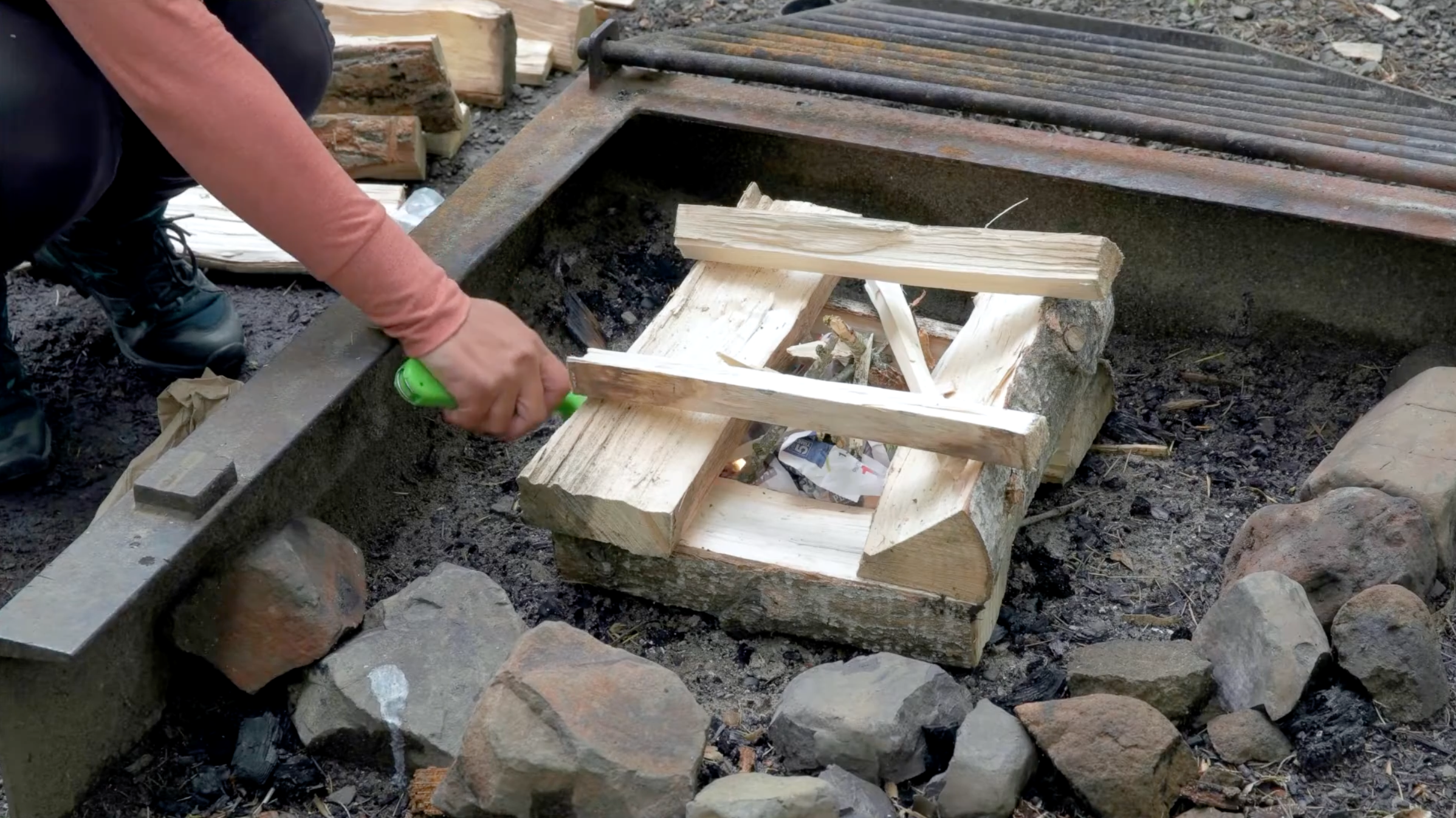
Step by step campfire building in designated firepit
How do you build a campfire safely?
To ensure your campfire is not only cozy, but also safe, confirm there are no fire bans in effect at your location, have a bucket of water nearby, and use the designated campfire pit.
Many campgrounds offer firewood and kindling for purchase. You’ll just need the lighter or matches, and tinder (i.e. slivers of wood, pieces of cardboard or firestarter).
There are different ways to build a campfire. Our favorite approach to building a campfire is the log cabin campfire because of its stability and won’t easily fall during assembly.
Step by step campfire building video available.

Friends eating delicious camp food cooked on a two burner camp stove
What food should I pack for a camping trip?
A two-burner camp stove makes it easy to cook hot, delicious meals while camping. It offers the convenience of cooking breakfast on one burner while brewing coffee or hot water on the other.
While it is gratifying to cook on an open campfire, the camp stove gives you precise temperature control just like cooking on a stove at home.
Step by step cooking on a camp stove video tutorial available.

Bag packed with layers of clothes for camping to stay warm and comfortable
What clothes should I pack for a camping trip?
Warm summer days don’t always turn into warm summer nights. It never hurts to bring extra layers and a warm jacket, so you can easily adjust. We bring:
Hiking shoes for the trails
Slip-on shoes for hanging out around the campsite that easily come off at tent entry and exit
Flip flops for showering at the campground or with a portable shower.

Toddler camping with lantern on picnic table as the sun goes down
What lighting do I need for camping at night?
Once the sun sets, it will get dark quickly. To ease your arrival, it’s best to set up your campsite in daylight, so plan to reach your destination well before sunset. For all the other evenings, grab your head lamp and set out the lantern before the sun sets. It’s always simpler to organize and find your gear with some sunlight remaining.

Woman staying hydrated by drinking water throughout the day
How do you stay hydrated while camping?
Drinking water throughout the day is essential to stay hydrated. But, start limiting your beverage consumption about an hour before you plan to sleep. It’s a personal choice, but sometimes it’s nice to just sleep through the night without having to wake up to go to the bathroom, especially while camping. This approach not only benefits your rest but also prevents disturbing any tentmates.

Camper picking up trash from the campsite
How do I leave no trace while camping?
We are all stewards of the environment and can ensure that the beautiful outdoors remains for current and future generations. Here’s how you can help.
Pack Out Trash: Always bring a garbage bag to collect your trash. While many campgrounds offer designated garbage areas, some remote locations may require you to carry your trash out.
Respect Wildlife: Observe and appreciate wildlife from a distance. Interfering with or feeding animals disrupts their natural behaviors and habitats.
Use Designated Campfire Rings: To prevent wildfires, always use the designated campfire ring at your campsite.

Woman forest bathing and enjoying being so present in nature.
Let’s get camping!
With a little preparation, you’ll go from “We should go camping” to “I’m so happy we went!”
